

By Jade Bodzasy
When a child walks into your optometry clinic, they–re not just bringing their eyes, they–re bringing their emotions, too.
Whether it–s nervousness about the eye exam, confusion about blurry vision, or even fear of getting glasses, kids are often navigating more than they can express. That–s why the three 'A's of Self-AwarenessAssess, Acknowledge, Adjust are so powerful in pediatric eye care.
By using these steps intentionally, we help young patients better understand their emotions and feel supported through a positive, trust-building experience.
1. Assess Helping the Child Notice What They–re Feeling
Kids might not walk in saying, I–m anxious about this exam, but their bodies and behavior will often speak for them, fidgeting, clinging to a parent, or becoming uncharacteristically quiet.
As professionals, we can guide a child to assess their emotional state by asking simple, supportive questions:
- How are you feeling about today–s visit?
- Have you been to an eye doctor before?
- Anything you're curious or unsure about?
This invites them to check in with themselves, even if they don–t have all the words. Visual aids like emotion faces or a feelings chart can make this even easier, especially for younger children.
Example: A child says, I feel a little weird about the machine that puffs air.
You–ve just opened a door to self-awarenessand trust.
2. Acknowledge Validating Their Emotions Without Dismissing Them
Once a child expresses how they feel, the next step is helping them acknowledge it as valid.
This doesn–t mean fixing it or brushing past it with You–ll be fine it means naming it, accepting it, and letting them know it–s okay.
Try responses like:
- A lot of kids feel unsure about that part; it can be a bit surprising.
- It makes sense you feel nervous, new things can feel a little strange at first.
When we acknowledge a child–s emotions, they feel understood instead of rushed. This helps them settle, feel safer, and become more receptive to what–s next.
Example: A child who–s hesitant to try on glasses says, I don–t want to look weird.
You respond, That makes total sense. Sometimes changes take a bit to get used to, but you might be surprised how cool you look.
3. Adjust Guiding a New Response with Confidence and Support
Now comes the moment to help the child adjust, not by forcing them to get over it, but by gently guiding them toward a new emotional response or mindset.
This could look like:
- Giving them agency Would you like to try this frame or this one first?
- Reframing the situation These lenses will help everything feel easier at school.
- Practicing a calming strategy together before a test, like deep breath before the air puff.
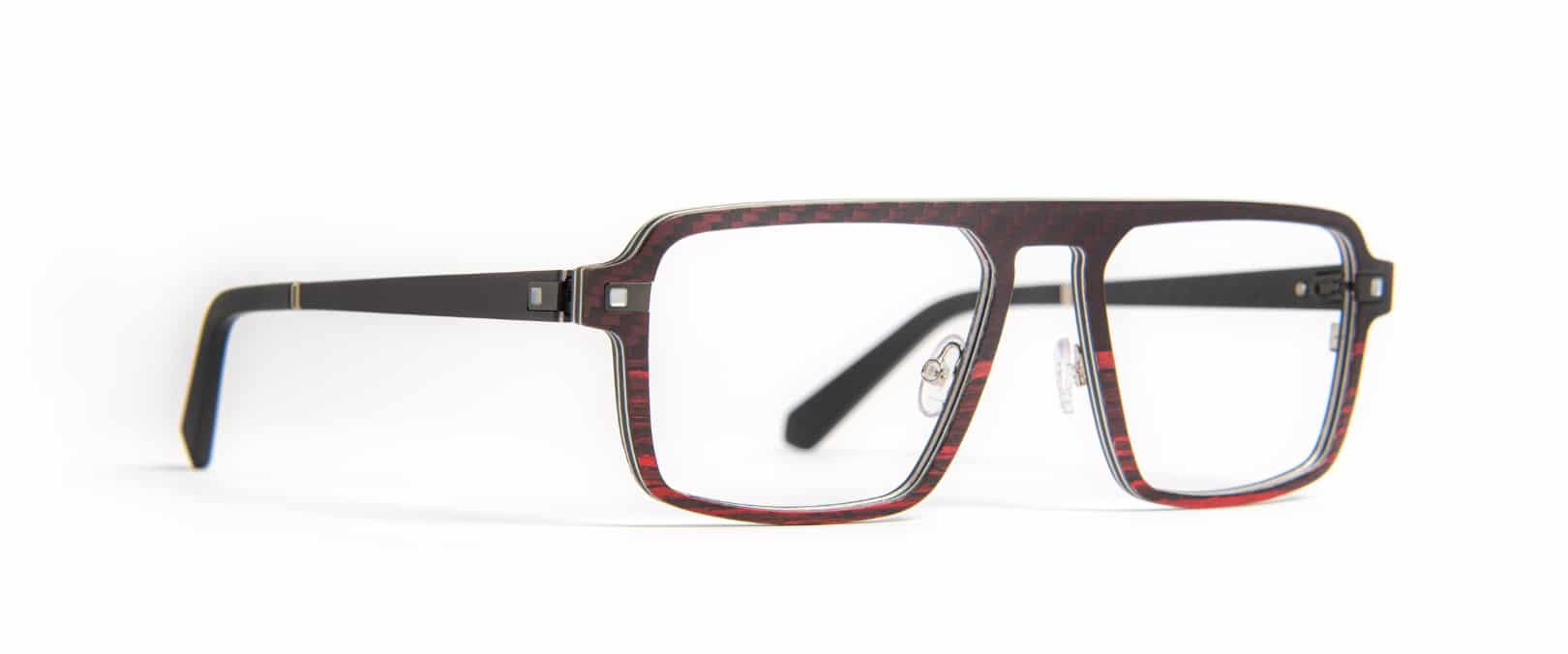
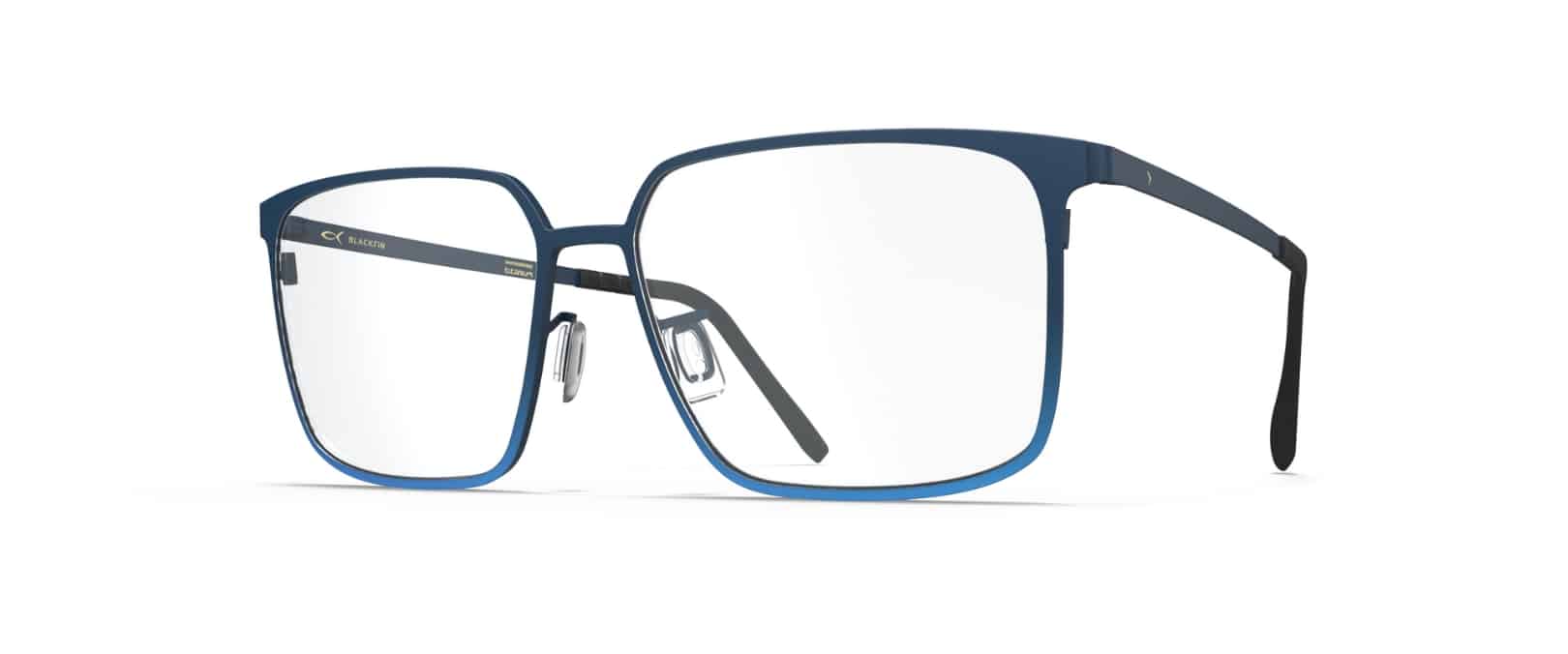
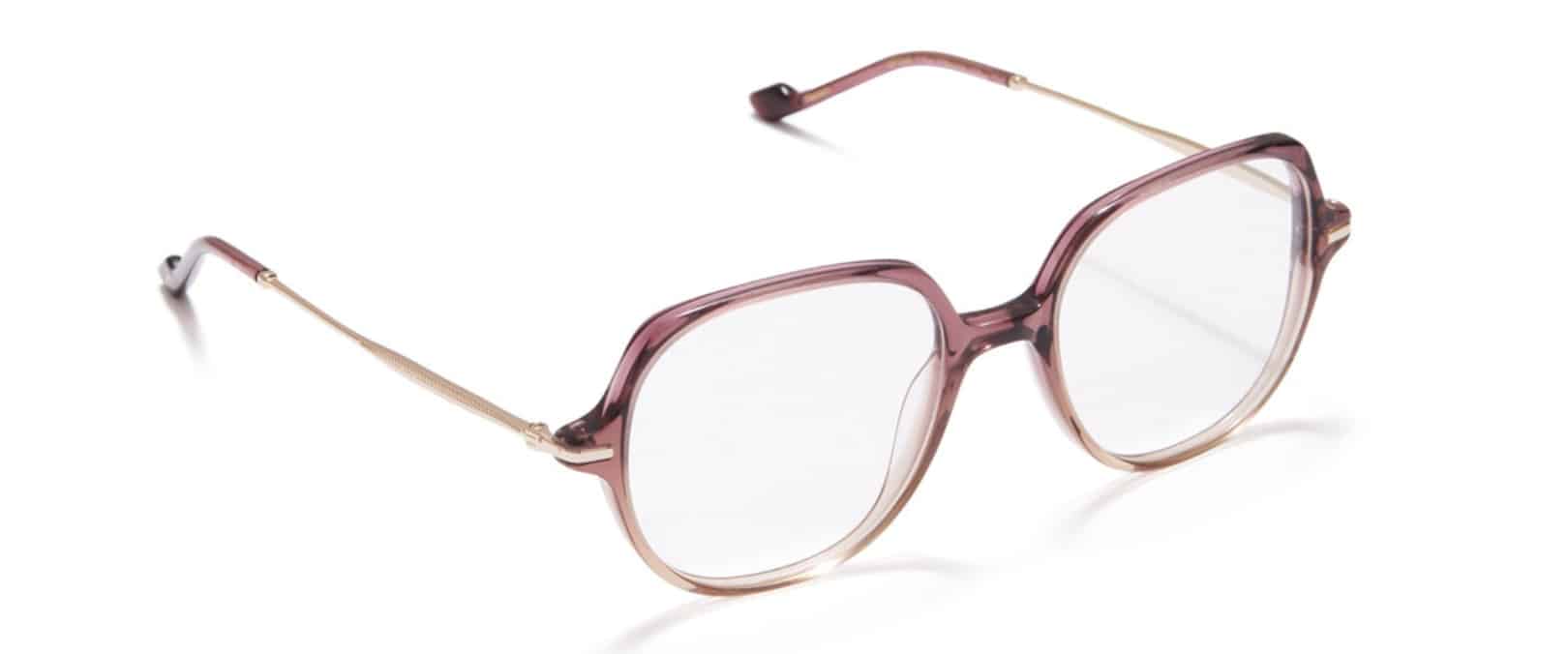
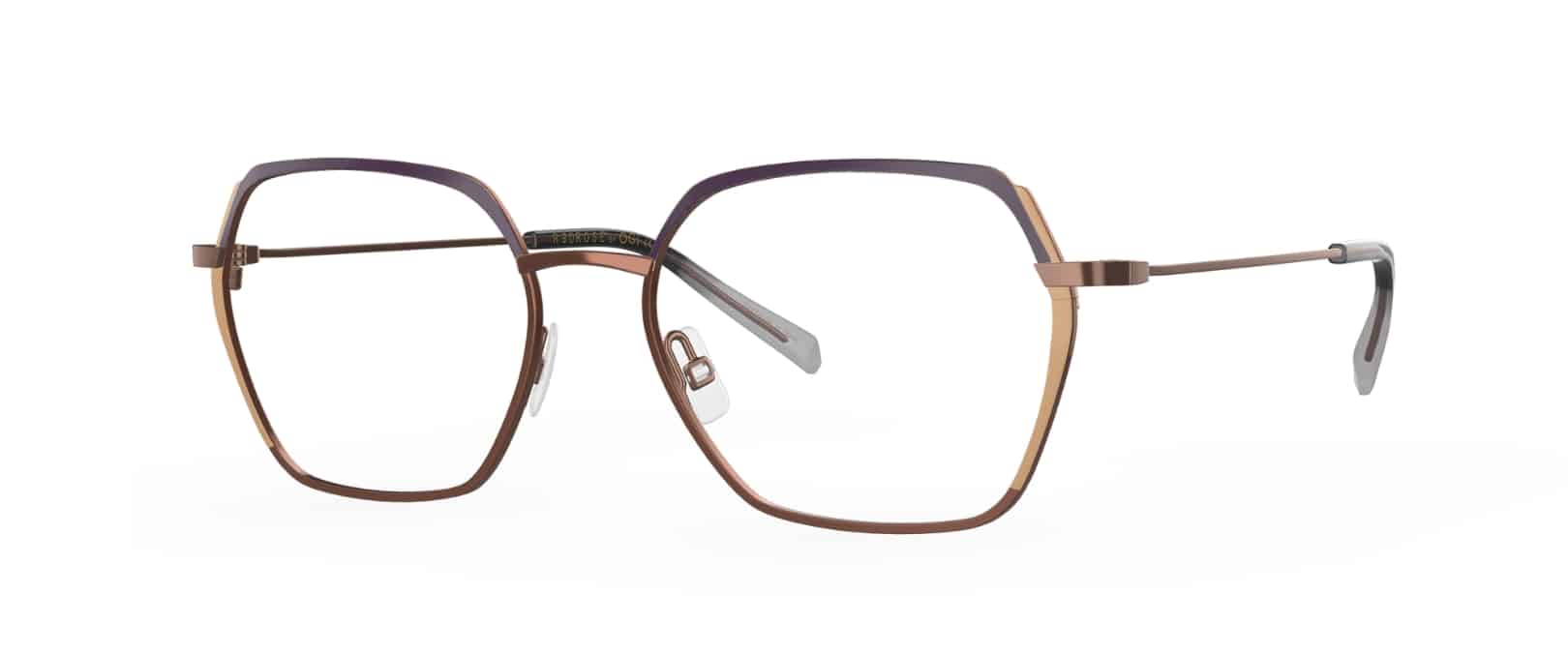
Example: A child who's still unsure about getting glasses is offered a mirror and frame options that match their favorite colour.
You say, Let–s find a pair that feels just right for you. Something that shows off who you are.
They feel seen. They feel empowered. That–s emotional intelligence in action.

Why It Matters in Eye Care
When we apply Assess, Acknowledge, and Adjust with our young patients, we–re not just making the appointment smoother, we–re building:
- Confidence in unfamiliar situations
- Positive associations with health care
- A sense of agency in their choices
- Emotional trust in us as professionals
And that trust doesn–t just make today easier. It impacts how they approach their health, their self-esteem, and even their learning for years to come.
Let–s use the 'A's of self-awareness to make every visit one where they feel not only cared forbut understood.
Want to see more like this article? Click here to subscribe to our FREE print magazines and e-newsletters!
[pro_ad_display_adzone id="17"]